
Things to Do in Lanzarote

🌋 Timanfaya
VolcanoA visit to the Volcanoes Park is an absolute must — a guided bus tour through lunar landscapes born from eruptions between 1730 and 1736, with a stop to see the ground's astonishing residual heat demonstrated at the Islote de Hilario.
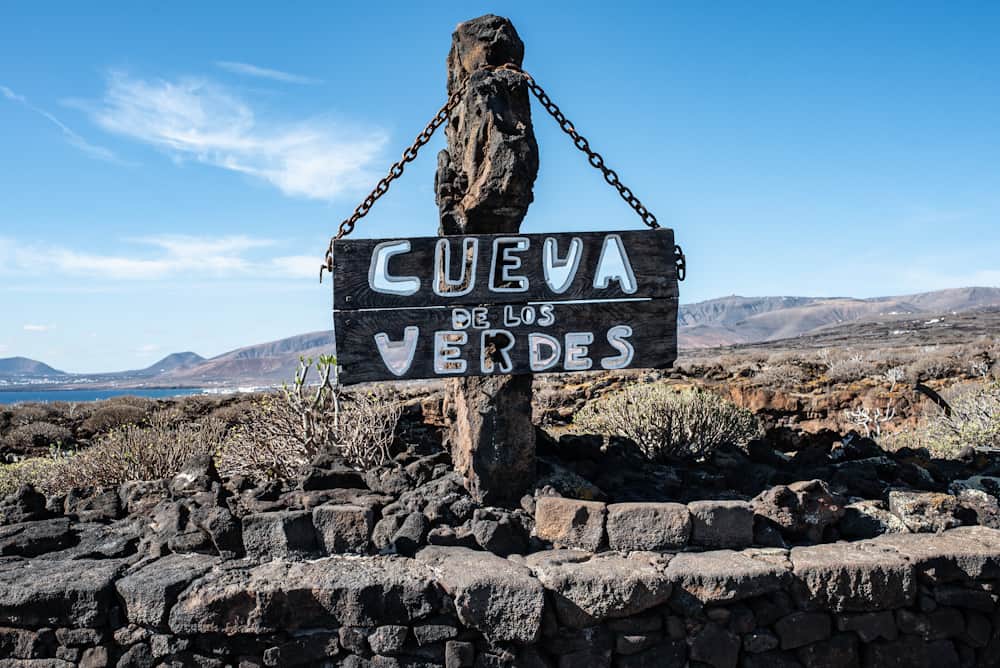
🕳️ Cueva de los Verdes
CaveAnother must-see — step into a lava tube and its caverns in the heart of an ancient volcano. Small guided groups depart roughly every 30 minutes through galleries and a natural concert hall carved by the flowing lava thousands of years ago.
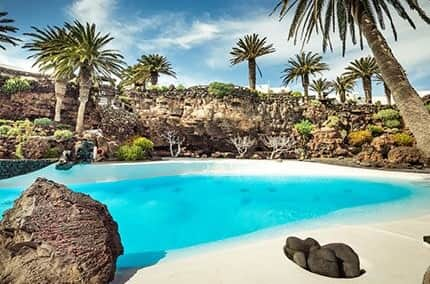
💧 Jameos del Agua
Art & NatureA unique volcanic tunnel and caverns with an underground concert hall, designed by César Manrique around a natural lagoon home to tiny blind albino crabs found nowhere else on Earth. There's the option to eat inside the cave itself.
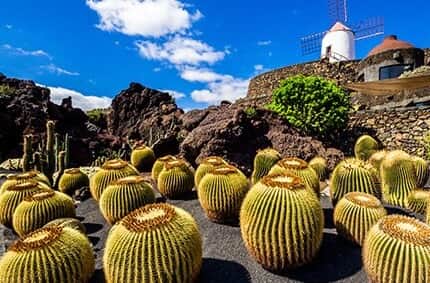
🌵 Jardín de Cactus
GardenA botanical garden created by César Manrique, home to an impressive collection of cactus species from tiny to towering, arranged across terraced volcanic ground around a restored 19th-century gofio windmill. There's the option to eat on site — a genuine must-see.
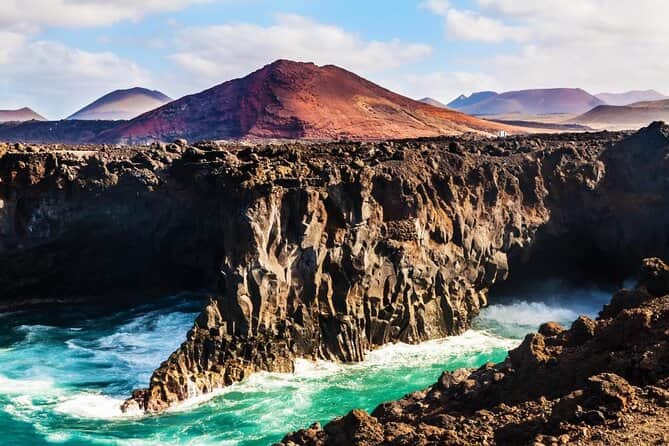
🌊 Los Hervideros
LandscapeA landscape of cliffs and caves shaped by the fury of the waves carving into the volcanic cliffs — a short, easy walkway runs right along the edge, with the Atlantic crashing and hissing below.
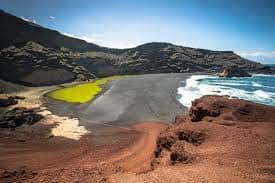
💚 Lago Verde (El Golfo)
LandscapeThe algae living in this crater lake give it an amazing green colour, separated from the ocean by a strip of black volcanic sand. It's accessible via a small path along the side of the cliff.
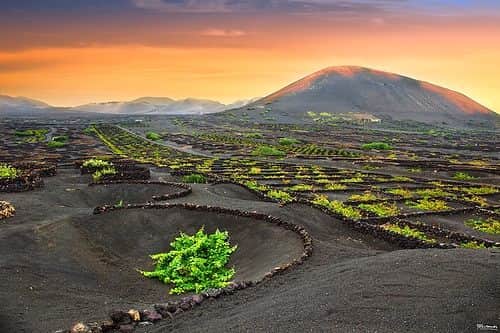
🍷 La Geria
WineTake the LZ-30 road to see vines growing in individual conical pits dug into black volcanic ash, sheltered from the wind by small stone walls — a genuinely beautiful, one-of-a-kind landscape.
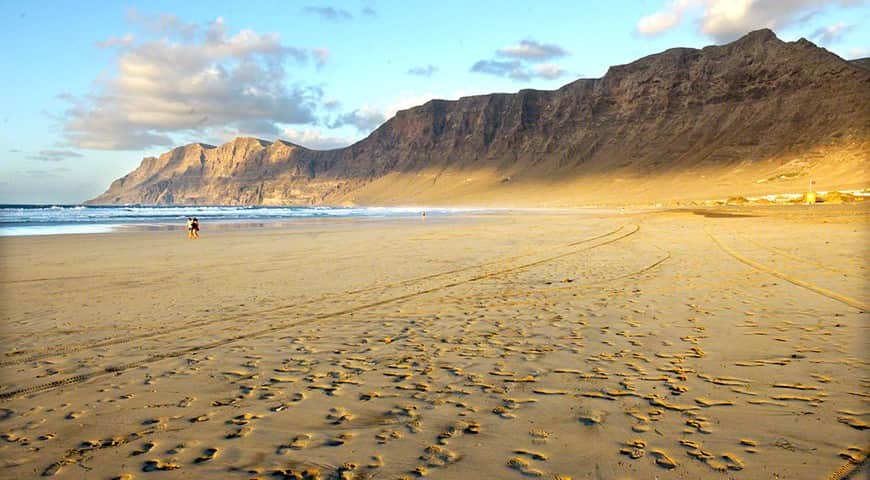
🏄 Famara
Beach & SurfA favourite spot for surfers — a small fishing village half-buried in sand, facing gigantic cliffs that fall straight into the ocean. A great place to eat a typical local dish with that landscape in front of you.
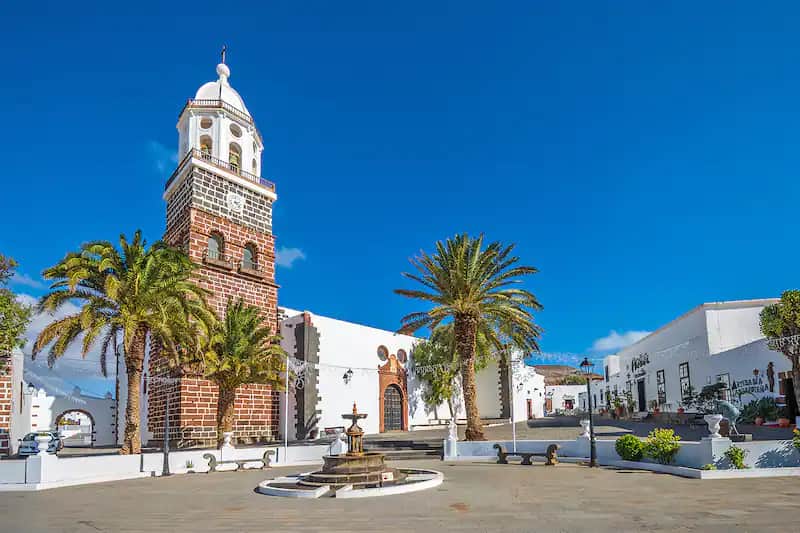
🏛️ Teguise
Village & MarketA charming little village with pedestrian streets, restaurants, and shops — the island's former capital. We recommend visiting on Sunday mornings for the market and, above all, the atmosphere created by the many craft stalls filling the village.
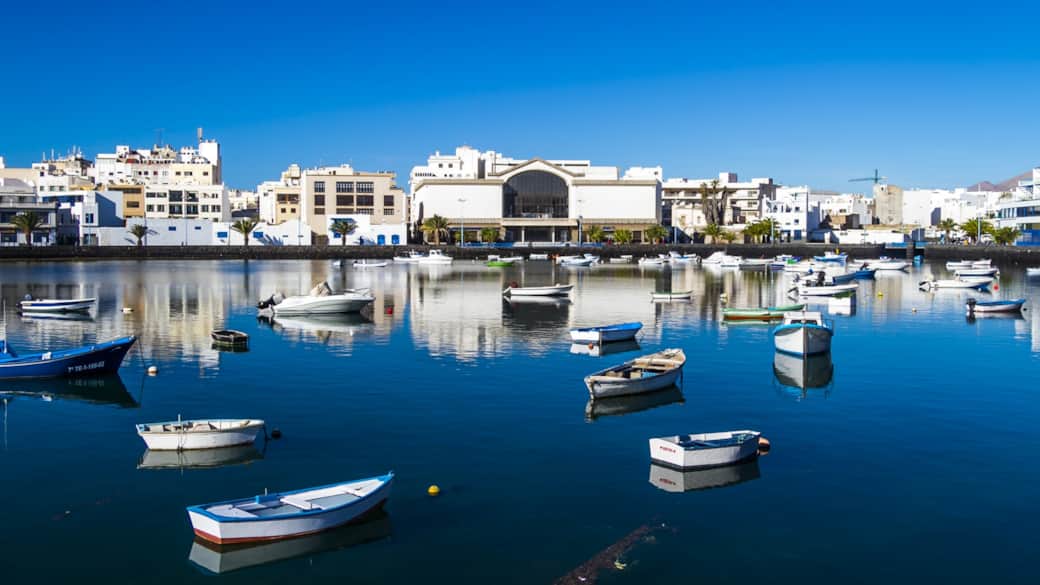
🏙️ Charco San Ginés (Arrecife)
CityEnjoy one of the many restaurants lining this small fishing lagoon connected to the Atlantic Ocean, right in the middle of Arrecife — a quiet, pleasant stop for a meal or a drink while passing through the island's capital.
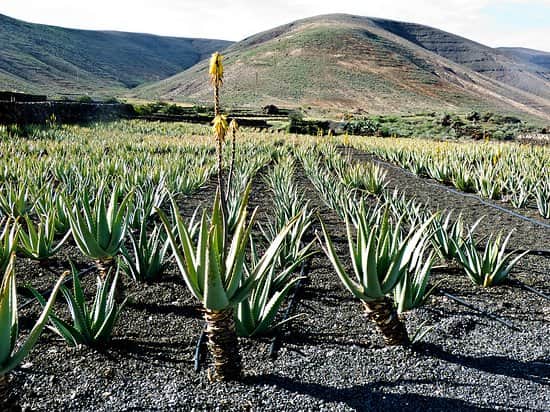
🌱 Lanzaloé
NatureVisit the Lanzaloé plantation — Europe's largest organic aloe vera farm — and drop by the shop, where staff will advise you on the best products.
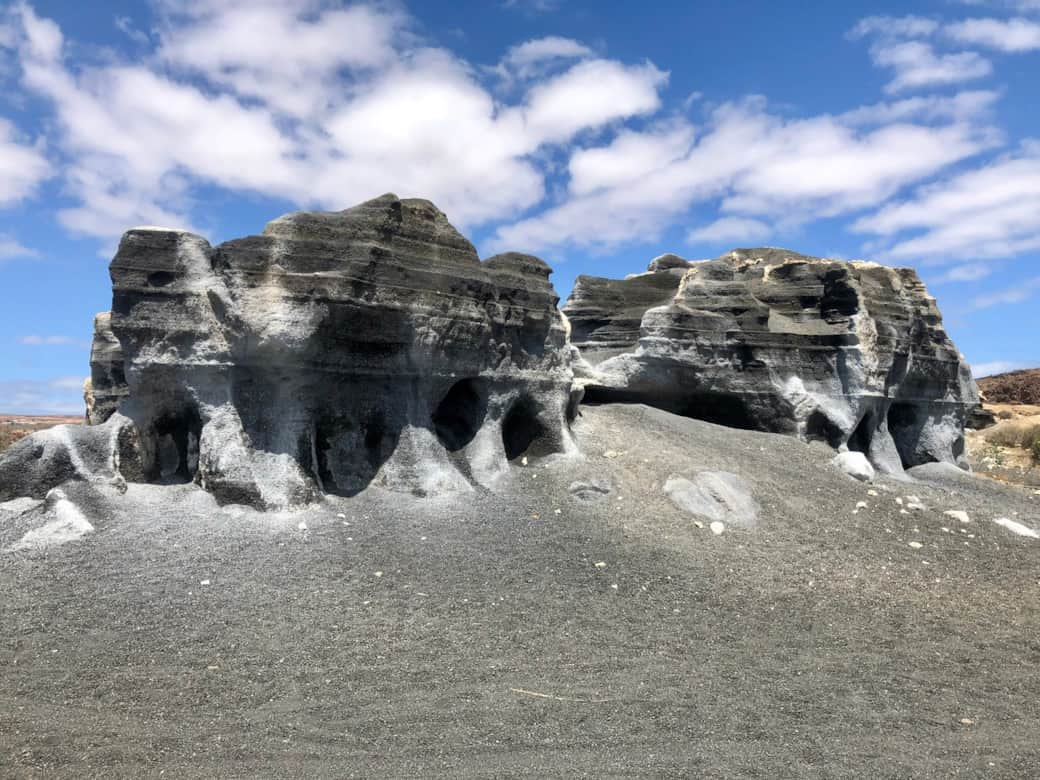
🏜️ Stratified City
Hidden GemA little secret address — a unique rock formation shaped over time by wind, rain, and sun in an old volcanic quarry. The American Rocks, in miniature! Officially the Rofera de Teseguite.
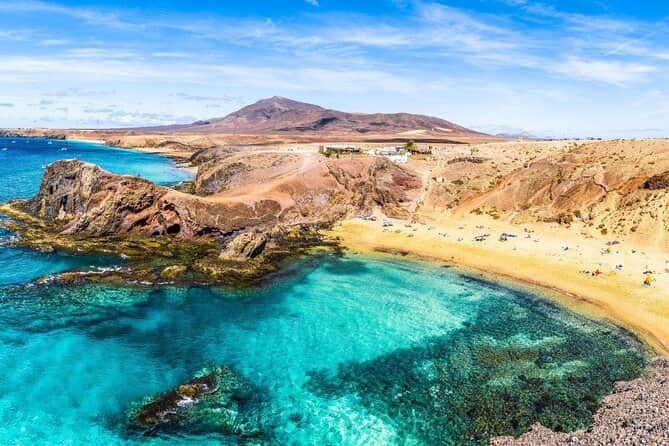
🏖️ Papagayo Beach
BeachRight next to the villas — some of the most famous and beautiful beaches on the island, with a large car park. The small restaurant overlooking the site offers delicious cocktails.
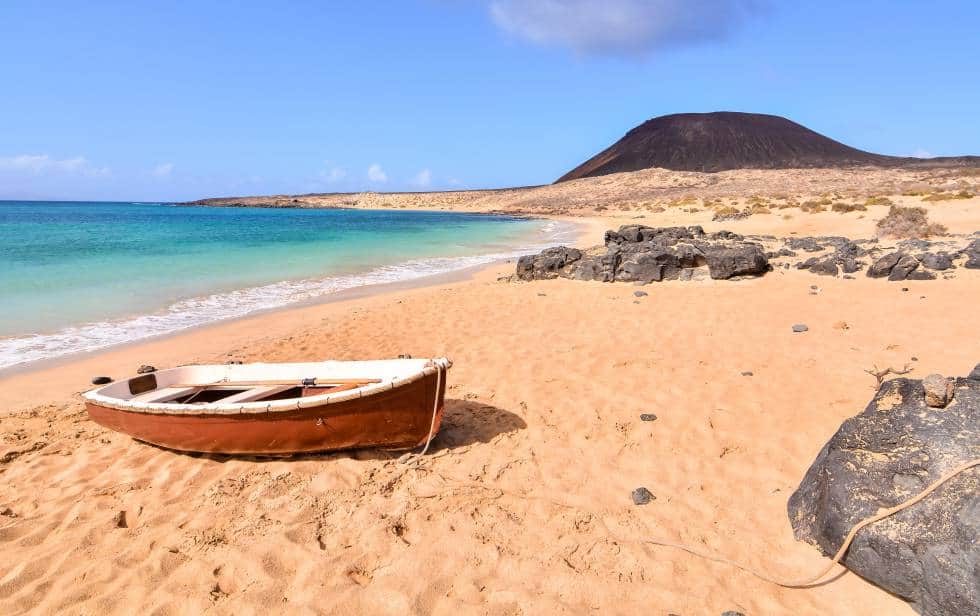
⛵ La Graciosa
Island EscapeAt the very north of the island, from Órzola, take a fast ferry to La Graciosa. Nature in its purest state, with splendid beaches and coves of crystal-clear water. There are very few cars, and you can get around easily by bike.
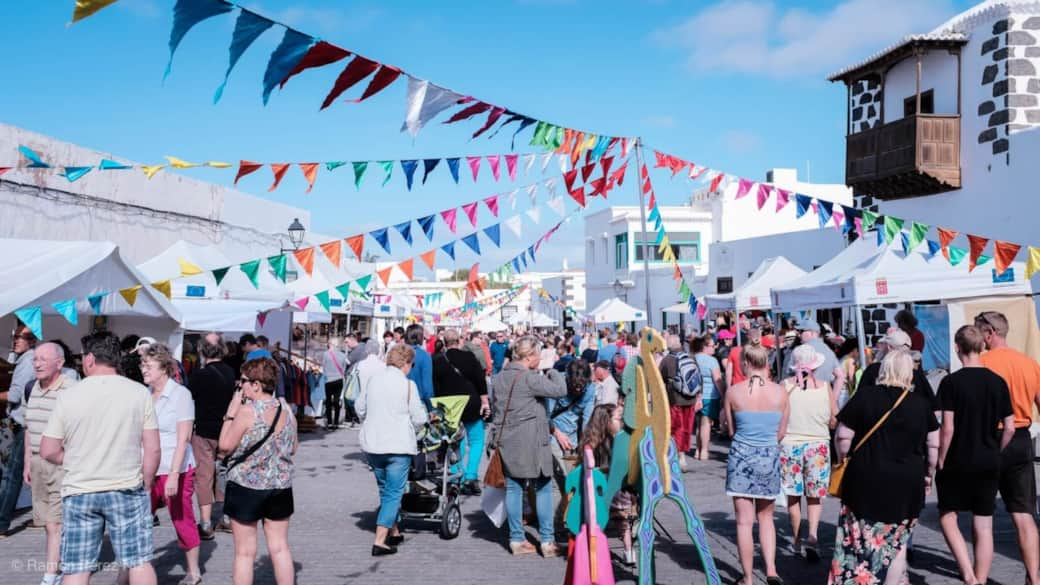
🧺 Local Markets
MarketsThere are several local markets across the island: Sunday morning in Teguise, Saturday morning in Haría, a farmer's market on Sunday morning in Mancha Blanca, Saturday & Sunday morning in Uga, and Wednesday & Saturday morning in Playa Blanca.
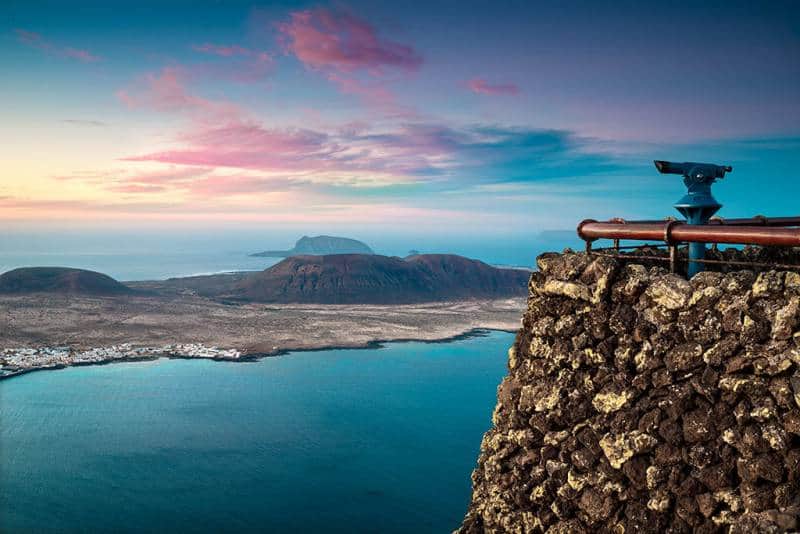
🔭 Mirador del Río
ViewpointSitting atop the high volcanic cliffs at 470m altitude, this offers the best coastal views in Lanzarote — you can enjoy a refreshment in the café designed by César Manrique while looking straight out over La Graciosa.
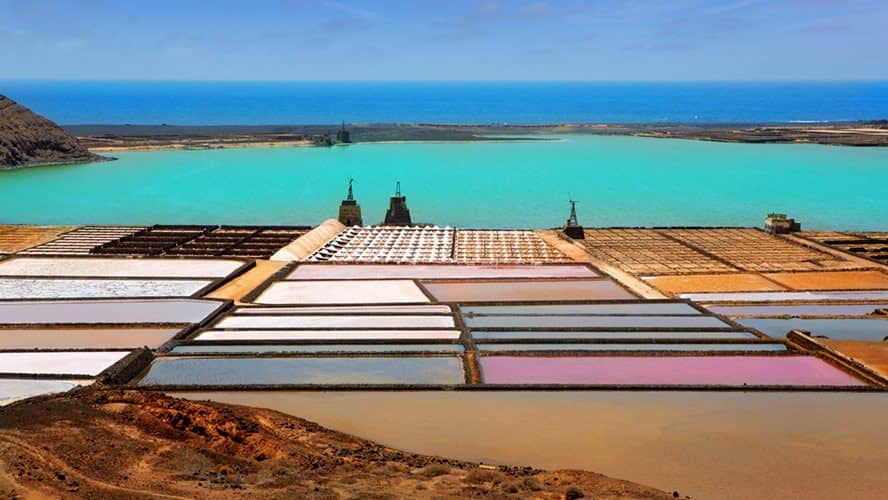
🧂 Salinas de Janubio
LandscapeBetween the sea and the volcanoes, these salt flats are bordered by the splendid, almost-deserted beach of Janubio with its extremely black sand. Ideal for superb photos.
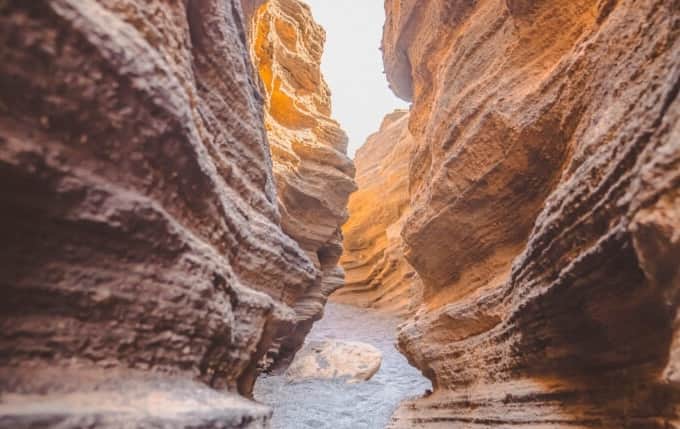
🥾 Las Grietas
HikingA nice and unusual visit — rifts and fissures in the lava fields. It's a secret spot on the LZ-35 road between Tías and San Bartolomé. Don't miss this impressive walk.
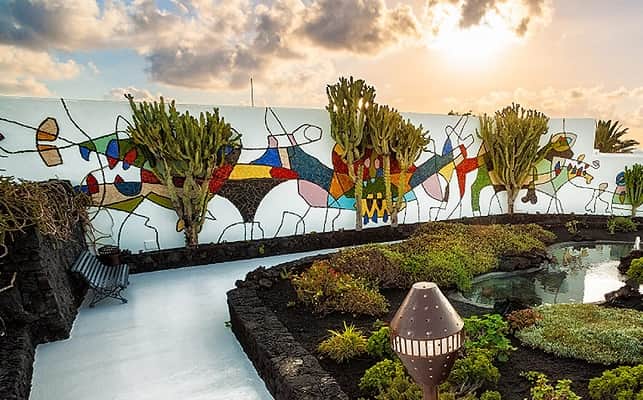
🎨 César Manrique Foundation
Art & CultureHoused in César Manrique's own spectacular house, built in the middle of a lava flow around natural volcanic bubbles connected by tunnels dug into the lava, covering 3,000 m².
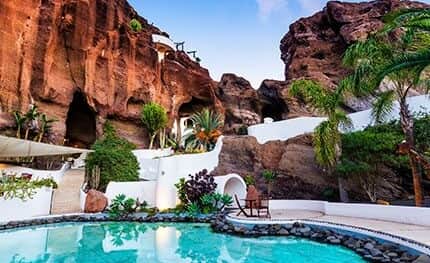
🏺 LagOmar
ArchitectureMajestically formed around the same rocks it was built from — a volcanic quarry with natural labyrinths and caves. A truly spectacular work of art created by nature from the molten lava that once flowed down the slopes of the volcano above.
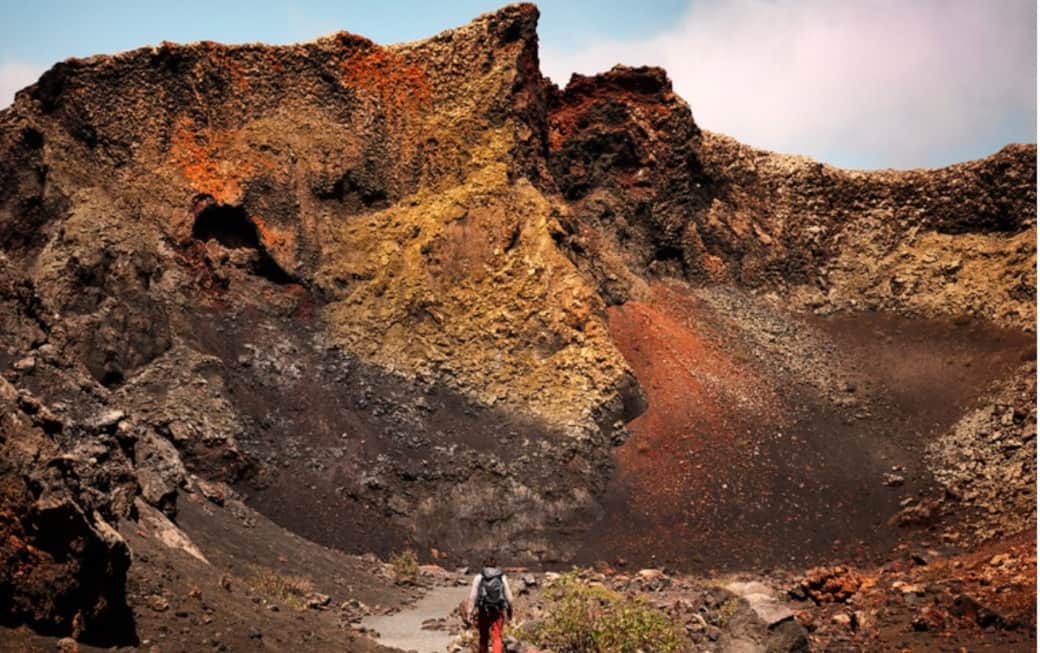
🥾 Volcano Hikes
HikingLanzarote is a paradise for hikers — a multitude of trails take you up to crater tops with breathtaking views. The standout is Caldera Blanca, the island's largest crater, reached via a roughly 10 km round-trip through dramatic lava fields.